
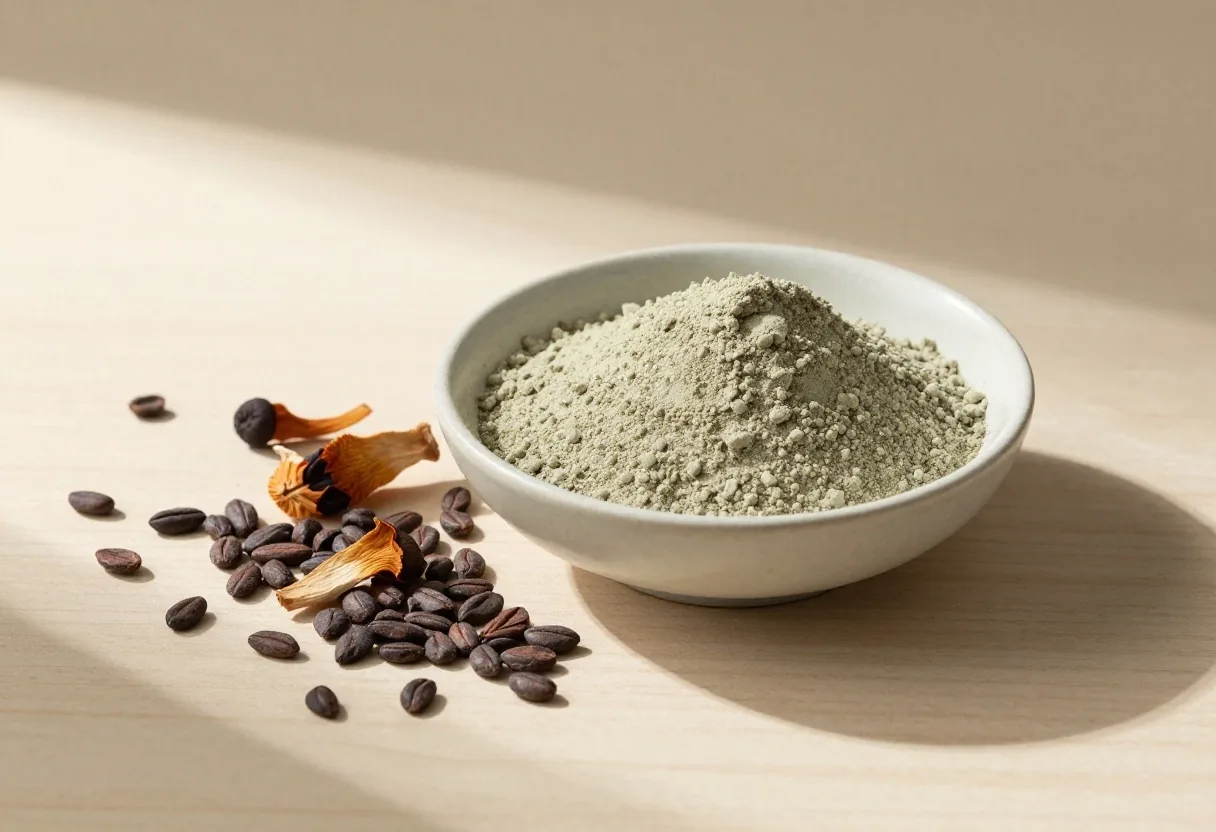
Energy and Endurance Supplements for Active Men
Energy and endurance supplements are designed to be used alongside nutrition and exercise. They contain ingredients like B-vitamins, amino acids, and plant extracts that are associated with oxygen use, stamina, and the reduction of tiredness. This page discusses how these products work in the context of an active lifestyle, what to look for on the label, and how to set realistic expectations.
A supplement will not fix a bad diet or a lack of sleep, but it can provide specific nutrients that support your training and daily output when the basics are already in place.
What energy means in a supplement context
In a supplement context, energy usually refers to ingredients that support normal energy-yielding metabolism. B-vitamins help the body convert carbohydrates, fats, and proteins from food into usable energy. A supplement that contains B-vitamins will not give you a sudden burst of alertness the way caffeine does. Instead, it ensures that your body has the tools it needs to process the food you eat.
We make this distinction because many men buy energy supplements expecting a stimulant effect and are confused when the product does not produce an immediate jolt. Understanding the difference between metabolic support and stimulation helps you choose the right product for your situation — and set an expectation that matches what the ingredient actually does.

Ingredients associated with endurance
Endurance supplements often include ingredients aimed at oxygen transport and stamina. Iron supports normal oxygen transport in the blood. Amino acids like beta-alanine and citrulline are included in some pre-training formulas. Plant extracts such as ginseng or maca are also common.
When we review these products, we look at the specific dosage of each ingredient to see if it matches the amounts typically used in a supplement context. A label that lists an ingredient but provides only a tiny amount is including it for marketing, not for function. We help you tell the difference.
The role of hydration and electrolytes
Hydration is a critical factor in endurance and energy. When you sweat, you lose water and electrolytes like sodium, potassium, and magnesium. A supplement that replaces these minerals can help maintain normal muscle function during long training sessions or heavy workdays in a hot environment.
Electrolyte supplements come in powders, tablets, and ready-to-drink liquids. The label will list the amount of each mineral per serving. We explain how to read these labels and how to match your intake to your actual sweat rate and activity level. Drinking water alone is often not enough during prolonged exertion, especially when heat and duration increase the rate of mineral loss.
The practical question is not whether electrolytes matter — they do — but whether the product you are holding gives you enough of each mineral in a single serving to make a difference for the kind of activity you are doing.
Caffeine and natural stimulants
Caffeine is a common ingredient in energy supplements, and it is derived from natural sources like coffee beans, tea leaves, or guarana. It provides a temporary increase in alertness. The label will list the amount of caffeine per serving, usually in milligrams.
We note the caffeine content because individual tolerance varies widely. A product with 200 mg of caffeine might be fine for one man but cause jitters and a crash for another. Some natural capsules for strength and vitality include stimulant extracts without listing the total caffeine equivalent, which makes it hard to control your intake. We look for transparency in labeling.

Pre-training vs. daily use formats
Energy and endurance supplements are formatted for different timing. Pre-training products are taken 30 to 60 minutes before exercise and often contain a mix of caffeine, amino acids, and B-vitamins. Daily use products are taken with a meal and are designed to maintain consistent levels of nutrients over time. A daily B-complex is an example of a daily use product.
We separate these formats in our reviews because taking a high-stimulant pre-training formula every morning as a daily energy supplement is usually not a good idea. Matching the format to the timing of your activity is a practical way to use these products.
Taken 30 to 60 minutes before exercise
Often contains a mix of caffeine, amino acids, and B-vitamins aimed at the immediate training session. Useful when the session itself is the target — not meant for daily baseline intake.
Taken with a meal, consistent over time
A daily B-complex is a common example. These products maintain steady nutrient levels rather than producing an acute stimulant effect. They fill gaps in your regular intake.
The distinction matters most when a product blurs the line — a daily formula that quietly contains 150 mg of caffeine, or a pre-training product sold as a morning energy supplement. We flag these cases in our reviews so you know what you are actually taking.
Setting realistic expectations for stamina
Supplements will not replace the adaptations that come from consistent training. A man who runs or cycles regularly will develop better endurance than one who simply takes a capsule. Products that claim to unlock hidden stamina or provide limitless energy are not describing reality.
We write about energy and endurance supplements with the assumption that you are already doing the work. The supplement is there to provide a nutrient you might be missing, like iron or a B-vitamin, or to provide a specific ingredient, like caffeine, for a specific training session. The work comes first; the supplement supports the work.
If a product description reads like it replaces training, that is a signal to read the label more carefully — not to buy faster.

Reading the labels on endurance products
When you look at an endurance supplement label, check the serving size first. Some products list impressive amounts of ingredients, but the serving size is two or three scoops, meaning you get half or a third of that amount per scoop.
Look for the exact amount of active ingredients, not just the total weight of a blend. A label that says a 5000 mg proprietary blend tells you the total, but not how much of each ingredient is inside that blend. Without that breakdown, you cannot tell whether the dose is functional or decorative.
Check for allergens and other ingredients like artificial colors or sweeteners if you prefer to avoid them. Our reviews break down these labels so you can see exactly what is in the product and how it is meant to be dosed.
Find the serving size. Compare the listed amounts to what you get per serving, not per container.
Look for exact milligram amounts per ingredient. Be cautious of blends that only give a total weight.
Check the other ingredients list for allergens, colors, and sweeteners you may want to avoid.
Combining food, sleep, and supplementation
Food provides the fuel
Carbohydrates, fats, and proteins are the raw materials your body converts into usable energy. No supplement replaces the calories and nutrients that come from regular meals.
Sleep provides the recovery
Most adaptation happens during rest. If sleep is short or broken, the training signal does not translate into progress. Supplements cannot close that gap.
Supplements fill specific gaps
If food and sleep are in order, a supplement might help cover a specific shortfall — low magnesium, a lack of B12, or a need for caffeine before a session.
The most reliable way to maintain energy and endurance is to combine solid nutrition, adequate sleep, and a well-chosen supplement routine. If you are constantly fatigued, the first step is to look at your sleep and your food. If those are in order, a supplement might help cover a specific gap. We emphasize this sequence because it leads to better results than starting with the supplement and ignoring the basics.
Where to go next
If this page gave you a clearer picture of how energy and endurance products fit into an active lifestyle, the next step is to compare specific ingredients and formats. The vitamins and minerals breakdown explains the individual nutrients in more detail, and the natural supplements guide covers plant-based ingredients commonly used in these products.
If you have a question about a specific supplement label, ingredient, or format, reach out and we will help you read it.